

by Steven Nyland, OrganicCrops. Posted on 30 March 2017, Updated on 24 March 2026
Discover the wonders of importing from Peru, a country that has firmly established itself as one of the world's great agricultural export powerhouses. Since we first published this guide in 2017, Peru has grown from a promising emerging exporter into a global leader, with agricultural exports rising from around US$4 billion in 2017 to US$12.3 billion in 2024 — a remarkable transformation driven by quality, consistency, and investment. The Peruvian Andes and Amazon continue to produce exceptional organic food products that are now found on the shelves of health food stores, in the formulations of cosmetic brands, and on the ingredient lists of food manufacturers on every continent.
As a trusted exporter of Peruvian superfood products since 2015, we at OrganicCrops have guided hundreds of companies through their first — and subsequent — import from Peru. We regularly encounter a diverse range of questions covering commercial transactions, sample requests, quantities, certifications, and export paperwork. While each export situation presents its own circumstances, we have compiled this comprehensive, updated guide to address the most frequently asked questions. We have also added two new sections covering important regulatory changes, the US NOP Import Certificate and the EU Deforestation Regulation, that every importer needs to understand in 2026.
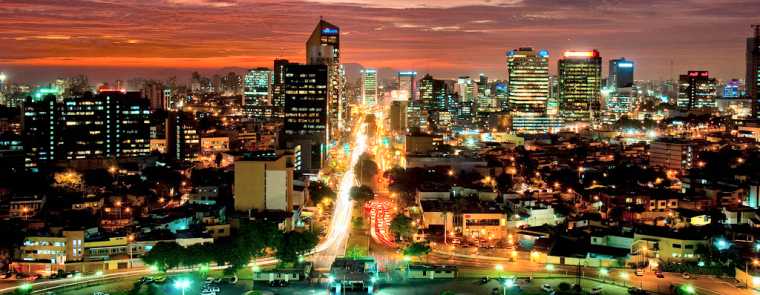
Peru, the third largest country in South America, boasts abundant natural resources and is divided into three distinct regions: the coast, the highlands, and the jungle. With an estimated combined population of 33 million (2025), approximately 80% of Peruvians reside in urban areas, with one-third living in the capital city of Lima. While Spanish is the official language, many regions of Peru still widely speak Quechua. The currency used is the Nuevo Sol, denoted as "S/", with a currency code of PEN. Peru's exchange rate, driven by non-speculative market forces, remains one of the most stable in Latin America.
Peru has shown a strong and sustained commitment to free trade. With a nominal GDP of around US$289 billion in 2024 and annual growth of 3.3% that year — with continued growth into 2025 and 2026 — it remains one of Latin America's more reliable economies. Inflation has stayed well within the central bank's 1–3% target band, a notable achievement that contributes to commercial stability. As the economy has grown, poverty levels have steadily declined, though per capita GDP still lags behind some neighbouring countries.
 Peru actively embraces free trade, with agreements covering the majority of its trade — including with the European Union, the United States, Canada, China, Japan, and many Asian and Latin American countries. These agreements generally result in reduced or zero import duties on agricultural and food products, and a degree of regulatory familiarity between Peruvian exporters and the requirements of those markets.
Renowned for its exceptional biodiversity, Peru is consistently ranked among the top ten most biodiverse countries in the world, housing 84 of the 117 recognised life zones on the planet. This ecological diversity gives Peru a significant advantage: crops can be cultivated year-round across dramatically different climatic zones. Cacao from the Amazon, maca from the high Andes, sacha inchi from the jungle, yacón from the Andean valleys, Peru's geography is uniquely suited to the superfoods it exports.
What has changed most since 2017 is the scale and professionalism of the sector. Peruvian cacao alone crossed US$1 billion in annual export revenue for the first time in 2024, growing 203% in value year-on-year, driven by both rising global cacao prices and Peru's rapidly expanding production base. Today, Peru has around 280,000 hectares under cacao cultivation — up from fewer than 10,000 in the year 2000. The industry has matured significantly, with certification, traceability, logistics, and documentation now all substantially more developed than they were a decade ago.
When doing business with Peru, the process is broadly similar to working with exporters in other parts of the world. While some companies have English-speaking staff, the majority communicate primarily in Spanish, so response times can occasionally be longer than you might expect. Peruvian business culture values relationship-building and trust developed over time. Patience in the early stages tends to pay dividends.
Ensuring that the products you import from Peru have been cultivated and produced organically is crucial, and the mechanism for verifying this remains consistent: certification.
Organic certification in Peru is issued by internationally recognised certification bodies, several of which have offices or representatives in-country. At OrganicCrops, our products are certified by bodies including Control Union, CERES, and others operating under internationally recognised standards. As an importer, you can request a copy of the current organic certificate, which will state the certifying body, the scope of certification, and its validity period. You can also request a Transfer Certificate for a specific shipment — this document ties a particular batch to the overarching organic certification and is the standard instrument used in international organic trade.
In addition to the organic certification, we strongly recommend requesting a batch-specific Certificate of Analysis (CoA). This document provides detailed results from independent laboratory testing of the specific batch you are ordering, covering pesticide residues, heavy metals, microbiological parameters, moisture, and other product-specific characteristics. At OrganicCrops, we conduct comprehensive pesticide testing against all known markers. The testing process and issuance of a report typically takes around one week.
Important note for US buyers: Since March 2024, a new USDA requirement — the NOP Import Certificate (NOPIC) — adds an additional layer of organic verification for all organic shipments entering the United States. This is covered in detail in the dedicated section below.
By requesting the organic certification and a batch-specific CoA, you can confidently confirm that the products you import have been produced to organic standards.
The Minimum Order Quantity is one of the first things that surprises buyers new to sourcing from Peru. Why can't you simply order 50 or 100 kilograms to test the product?
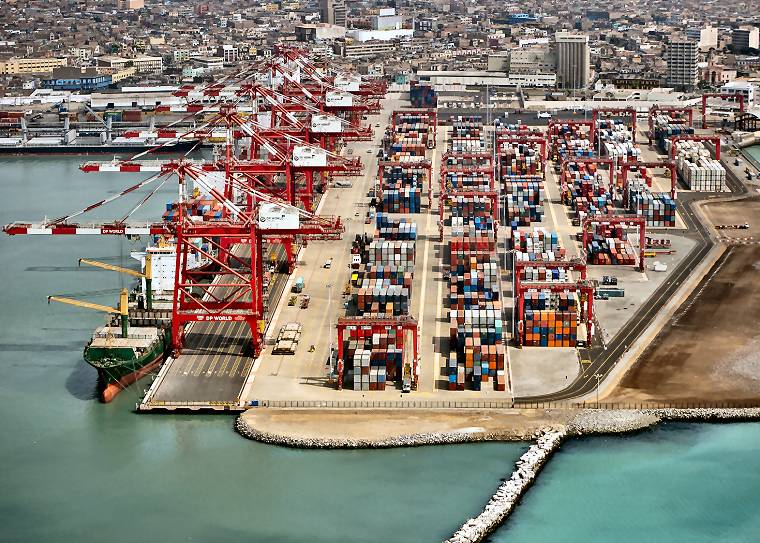
The answer lies in the economics of international export logistics. The main export harbour is the port of Callao (Lima), which involves significant local handling costs. Freight agents and handling companies at Callao charge by the hour or part of a day, making it one of the more costly harbours in the world to operate from.
Dry agricultural products — cacao powder, maca powder, sacha inchi powder, and others — undergo thorough customs and narcotics inspections during the export process. This typically involves unpacking pallets, placing bags or boxes in designated inspection areas, and often taking product samples for laboratory testing. Once inspection is completed, goods are repacked, pallets are reassembled, and cargo is returned to the warehouse. This operation can take anywhere from a few hours to several days.
For a small shipment of 100 kg, the costs associated with customs clearance, transportation, storage, loading, and other logistics can amount to approximately US$1,000. A 20-foot container carrying 10,000 kg on pallets typically incurs costs of around US$2,000. The difference in port and handling costs between a 100 kg and a 10,000 kg shipment is therefore only US$1,000 — while the product value difference is enormous. When you factor in the cost of export paperwork, certifications, and inspections, the per-kilogram cost of a small shipment becomes unworkable for both parties.
This is why a Minimum Order Quantity exists. It allows costs to be spread over a meaningful volume, making the export process economically viable and competitive pricing possible.

The above logic applies specifically to ocean freight. For smaller quantities, air freight can be more practical: while the actual freight cost per kilogram is higher, the local export handling and documentation costs are generally lower, and delivery is significantly faster. For buyers testing a product before committing to container volumes, air freight for a first or sample order is often the right approach.
At OrganicCrops, we offer both ocean and air freight options and will advise you on the most cost-effective approach based on your order size and timeline.
At OrganicCrops, we offer both ocean and air freight options and will advise you on the most cost-effective approach based on your order size and timeline..
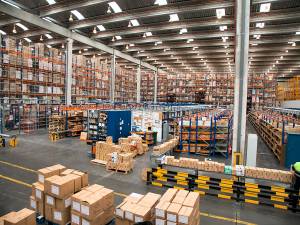 Assessing the quality of a product from a country you have not visited, in a supply chain you are still learning, requires a structured approach. Here is how we recommend going about it:
When working with a Peruvian exporting company for the first time, establishing trust is a real challenge. Beyond a professional website and email correspondence, it can be difficult to form a relationship with a company on the other side of the world. Understanding standard payment practices in international trade provides a useful framework. Understanding the standard practices and commercial transactions defined by the International Chamber of Commerce's INCO terms can provide a framework for the procurement process.
Exporting companies typically state their payment terms in their offers or quotations. It is essential to clarify payment terms early in any discussion. The most common options are:
Note that most Peruvian producers and exporters require full prepayment (100% T/T on order).
As in any export market, we caution buyers against prioritising the lowest quoted price without verifying the credibility of who they are buying from. A professional website, verifiable certifications, willingness to provide references, and a thorough response to due diligence are all signals worth weighing alongside price.
By familiarizing yourself with payment terms, understanding INCO terms, and researching best practices, you can ensure a secure and reliable transaction process when importing from Peru.
 International trade uses standardised pricing terms, Incoterms, to define who is responsible for costs and risk at each stage of a shipment's journey. These are published by the International Chamber of Commerce and were last updated in Incoterms 2020. When reviewing quotations, always confirm which version of Incoterms applies.
The terms you will most commonly encounter when importing from Peru:
The seller delivers the goods onto the nominated vessel at the specified port of export (typically Callao). From that moment, risk and cost transfer to the buyer. This is the most commonly used term for bulk exports from Peru, and the basis on which OrganicCrops primarily prices. You, the buyer, arrange and pay for ocean freight and insurance from Callao onwards.
The price quoted is for the goods at the seller's premises or production facility. It does not include packaging for export or any costs associated with clearing and exporting the shipment. When a price is quoted without specifying an Incoterm, EXW is typically assumed. In this case, you must enquire about all additional costs — inland transport to port, export customs clearance, inspection fees, and so on.
Note that OrganicCrops only offers EXW Incoterms for local orders.
An FOB price can be upgraded to CFR or CIF by adding the cost of ocean freight (CFR) or ocean freight plus insurance (CIF) to the named destination port. These terms allow you to receive a single landed price to your port, though you have less control over the freight arrangement than with FOB.
Under Incoterms 2020, FCA is particularly relevant for containerised shipments, as it allows the risk to transfer once the goods have been loaded into the container at an inland location, rather than at the ship's rail. If you have a contracted freight forwarding company in Peru, FCA may be a practical option: the exporter handles export packaging, export paperwork, and delivers cargo to your freight forwarder's warehouse.
At OrganicCrops, we primarily offer prices on an FOB basis. We also publish a monthly price list that states FOB prices; Other Incoterms can be calculated on request. It is important to note that local destination charges — customs clearance, port unloading, inland delivery at your end — are not included in any quotation from an exporting company and need to be obtained separately from your local freight agent.
Understanding the nuances of pricing terms such as FOB, EXW, CFR, CIF, and FCA allows you to make informed decisions when negotiating and finalizing import agreements. It is advisable to consult with freight agents and freight forwarding companies to obtain accurate and detailed quotations that encompass all relevant costs associated with your specific import requirements.
One of the most common sources of frustration for new importers is underestimating lead times. International shipping to and from South America takes time, and the export documentation process in Peru adds further complexity. Here is a realistic picture.
This varies by product and whether we are supplying from stock or producing to order. Some products are held in bulk export packaging in our Lima warehouse and can be ready for loading in as little as 8–10 days. Others — such as custom chocolate or specific certified organic batches — may require 3–6 weeks from order confirmation. Always ask about lead time for your specific product when requesting a quote. If a CoA from independent testing is required, add an additional 5–7 working days.
SENASA phytosanitary inspection, organic certification paperwork, and preparation of the full export document set (commercial invoice, packing list, certificate of origin, bill of lading, and any destination-specific requirements) typically take 1–2 weeks. The port of Callao has a cut-off time of 3–5 days before vessel departure, meaning cargo must arrive at port well in advance of the ship's scheduled departure.
Ocean freight transit times from Callao, Peru to main destination ports (approximate):
Air freight follows a similar export process to ocean freight but with faster loading and clearing times. Airlines often prioritise fresh produce over dry goods, so dry-goods shipments can occasionally be rescheduled. We will always inform you proactively of any such developments.
In total, from confirmed order to cargo arriving at your destination port, plan for 8–12 weeks as a baseline for a typical bulk ocean shipment. For your first order with a new supplier, building in additional buffer is wise — documentation queries, certification verifications, and customs holds are more likely when a commercial relationship is new.
If you are importing organic products into the United States, this section is required reading. A significant regulatory change came into force in 2024 and enforcement tightened further in 2025.
Under the USDA's Strengthening Organic Enforcement (SOE) Rule, every shipment of certified organic agricultural products entering the United States now requires an NOP Import Certificate (NOPIC). This requirement has been mandatory since 19 March 2024. As of 1 October 2025, enforcement became substantially stricter: shipments arriving without a valid NOPIC can no longer be reconditioned. The only available options for non-compliant shipments are reexport, destruction, or donation under strict conditions. There is no grace period.
At OrganicCrops, NOPIC issuance through our certifier is part of our standard process for US-bound organic shipments. However, we strongly recommend that any US buyer — especially those new to importing organic products — confirms their own NOP certification status before placing an order, and verifies with their supplier that NOPIC capability is in place.
If something goes wrong on the documentation side after the shipment has departed, the consequences fall heavily on both parties. Prevention is straightforward; remediation is not.
For buyers importing into the European Union, particularly those sourcing cacao, the EU Deforestation Regulation (EUDR) is the most consequential regulatory development in recent years.
The EUDR (Regulation EU 2023/1115) requires companies placing certain commodities on the EU market to demonstrate that those products are deforestation-free. Specifically, buyers must prove that the land from which the commodity was sourced was not deforested or degraded after 31 December 2020. Cacao is one of seven commodities in scope, alongside coffee, soy, palm oil, cattle, rubber, and timber.
After a series of delays driven by implementation challenges, the regulation was formally revised and postponed under Regulation (EU) 2025/2650, published in the EU Official Journal on 23 December 2025. The current enforcement deadlines are:
A simplification review by the European Commission is due by 30 April 2026, which may introduce further clarifications. Legal experts and the Commission itself have indicated that the core due diligence and traceability obligations are unlikely to be substantially reduced.
The importer, or the first party placing the product on the EU market, is required to submit a Due Diligence Statement (DDS) demonstrating that their cacao is deforestation-free. This requires traceability to the plot of land where the cacao was grown, including geolocation coordinates for those plots, along with evidence that the land was not deforested after 31 December 2020.
Under the December 2025 amendments, only the first downstream operator in the supply chain must submit a full DDS to the EU IT system. Subsequent downstream operators (manufacturers, retailers) no longer need to submit their own separate DDS but must retain due diligence documentation for audit purposes. Small and micro primary operators may use a simplified declaration.
For buyers sourcing Peruvian cacao, some context worth noting: Peru's cacao-growing regions — San Martín, Huánuco, Ucayali, Junín, Amazonas — are agroforestry systems, and cacao cultivation in these areas has historically been associated with reforestation rather than deforestation, often developed as an alternative to coca cultivation with support from development organisations and international investment. Peru is not classified as a high deforestation-risk country in the EU's benchmarking framework. This is a meaningful advantage compared to some other cacao origins.
That said, regulatory compliance still requires proper documentation, geolocation data, and a clear audit trail — regardless of how low the actual risk is. At OrganicCrops, we have been building our supply chain traceability in anticipation of these requirements. We encourage all EU buyers who source cacao from us to open this conversation early, well ahead of the December 2026 deadline.
Peru's government has actively worked to reduce trade barriers, with the majority of its trade covered by Free Trade Agreements with Europe, the USA, and many countries in Asia and Latin America. This commitment to open trade facilitates smoother import and export processes for buyers across most major markets.
As part of our commitment to compliant trade, OrganicCrops issues a comprehensive set of documents with each export order:
Optional additional documentation (available at additional charge):
Peru's National Agricultural Health Service, operating under the Ministry of Agriculture, is the body responsible for food safety, agricultural safety, and organic production oversight. Similar in function to the FDA in the United States, SENASA conducts inspections and issues the phytosanitary certificates that are mandatory for certain exports. SENASA certification is internationally recognised and a key part of Peru's export credibility.
For specific destination requirements, we make every effort to comply. Importing countries often have specific regulations regarding labelling, export letters, responsibility statements, and more. Please notify us of any specific documentation requirements in advance of order confirmation — this allows sufficient time to organise anything out of the ordinary.
For orders with an FOB value of US$50,000 or more, the full document set is sent by courier. For orders below US$50,000, documents are emailed as PDF copies. For air freight shipments, documents travel with the shipment.
OrganicCrops is a Peruvian agricultural trading company that exports premium quality superfood products such as quinoa, maca, and cacao. Our fair trade way of working ensures that indigenous Peruvian farmers receive fair compensation for their crops.