by Steven Nyland. Posted on 27 December 2025, 08:12 hrs
Forecasts, risks, and opportunities for global bulk buyers
Peru’s superfood sector continues to move quickly, and 2026 is shaping up to be another year where crop cycles, climate, logistics, and global demand-pull prices in opposing directions. For buyers working with cacao derivatives, maca, and sacha inchi, understanding how these dynamics interact is the difference between securing stable supply—or fighting the market.
This outlook highlights the key drivers that are already influencing 2026 pricing and availability, and what wholesale buyers should realistically expect in the next 12 months.
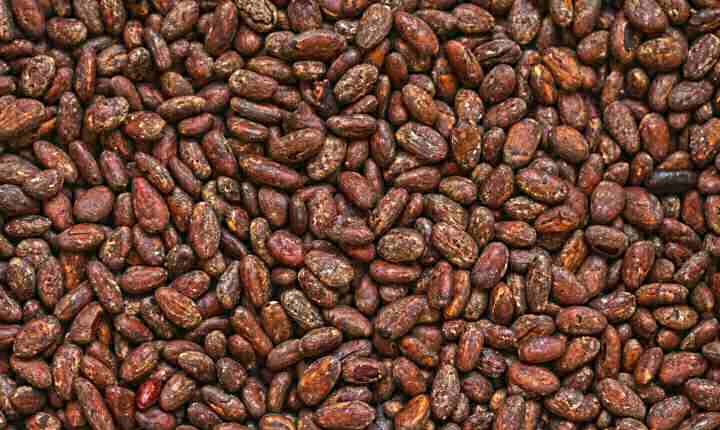
Cacao Market Outlook for 2026
Global Pressure Remains High—But Peru Is a Partial Exception
The global cacao market is still digesting historically tight supply. West Africa’s disease pressure (notably CSSVD in Ghana & Côte d’Ivoire) and aging tree stocks continue to remove huge volumes from the market. Even with partial recovery expected in late 2026, most analysts agree: prices won’t return to pre-2023 levels anytime soon.
Peru plays a different game. While production is smaller, the genetics, agroforestry systems, and diversity of regions (San Martín, Junín, Cusco) provide a buffer against the extreme volatility seen in West Africa.
2026 Price Expectations for Cacao Derivatives
(approximate ranges; market-driven; based on current trajectories)
- Cacao Powder 10/12: Stable to slightly bullish.
- Cacao Butter (natural or deodorized): Tends to shadow global fat prices, so still elevated.
- Cacao Paste/Mass: Firm demand from craft chocolate and cosmetics keeps a floor under prices.
- Cacao Nibs/Beans: Mostly stable but still quality-dependent.
Key Drivers to Watch
- El Niño/La Niña effects on flowering and pod set in the Peruvian jungle.
- Fertilizer input prices, which have started dropping but remain inconsistent.
- Export logistics—especially congestion at Callao, which can add indirect cost.
- Rising demand for certified and organic cacao, potentially tightening supply in Q3–Q4 2026.
Risk Outlook
- Supply risk: Moderate
- Price risk: High
- Quality variability: Manageable
Bottom line for buyers: Plan for continued elevated prices for cacao butter and paste. Powder may show the first signs of normalization, but not dramatically.
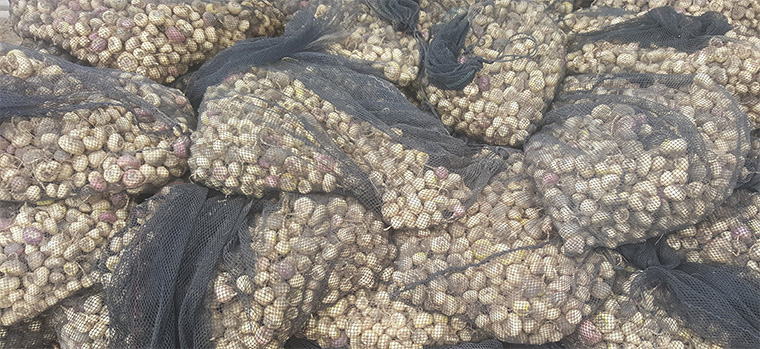
Maca Market Outlook for 2026
Organic Supply Will Stay Tight—At Least Through Mid-2026
The organic maca sector has struggled for multiple seasons with lower-than-expected yields in Junín and Pasco. Smallholders remain cautious about planting expansion because of price swings over the past decade. Inventory buffers are thin.
A broader recovery may start in late 2026, but buyers shouldn’t assume a sudden oversupply.
2026 Price Expectations for Maca
- Raw Maca Powder: Stable to slightly higher; availability varies strongly by color and origin.
- Gelatinized Maca Powder: Expected to remain more expensive due to processing + energy costs.
- Extracts & Concentrates: Premium market remains small but steady.
Key Drivers to Watch
- Planting decisions in late 2025—farmers remain risk-averse.
- Weather variability in the highlands (frost risk continues to be a wild card).
- Export competition from China in lower-cost segments—though quality gaps remain wide.
- Certification bottlenecks for organic processors.
Risk Outlook
- Supply risk: High, especially organic.
- Price risk: Moderate-to-High
- Quality variability: High due to processing inconsistencies among smaller producers.
Bottom line for buyers: For serious importers, locking in volumes early or working with suppliers that control their processing chain will reduce exposure. Expect limited spot availability and firm prices on organic maca.

Sacha Inchi Market Outlook for 2026
A Stable Market—With a Quiet Shift Underway
Sacha inchi remains Peru’s most predictable superfood crop. Prices usually hold steady due to consistent seed production and relatively stable processing capacities. But there’s an underappreciated shift occurring: sports nutrition, vegan protein products, and omega-rich oils are slowly increasing demand, especially in the USA and Southeast Asia.
Not enough to create the wild volatility we see in cacao or maca—but enough to tighten availability for Q4 2026 and beyond if the trend continues.
2026 Price Expectations for Sacha Inchi
- Sacha Inchi Oil: Stable; small upward pressure from cosmetic and nutraceutical sectors.
- Sacha Inchi Powder/Protein: Slightly bullish, driven by plant-protein growth.
Key Drivers to Watch
- Seed availability—still healthy, but demand is creeping upward.
- Increased investment in new plantations (mostly small-scale).
- Competition from other plant proteins (pea, soy, fava) which may cap rapid price increases.
- Export logistics—LCL shipping remains expensive relative to pre-pandemic norms.
Risk Outlook
- Supply risk: Low-to-Moderate
- Price risk: Low-to-Moderate
- Quality variability: Low, assuming established processors.
Bottom line for buyers: Expect minor price increases but nothing dramatic. Compared to cacao and maca, sacha inchi remains the most stable category for 2026.
Logistics & Shipping: What Buyers Should Prepare For in 2026
Even as global freight costs have normalized, Peru faces its own challenges:
- Callao congestion remains persistent.
- LCL freight continues to cost disproportionately more per metric ton than full containers.
- Export documentation (SENASA, organic certification) is moving toward more digital systems, which may reduce delays but introduce new administrative realities.
For buyers working with multiple SKUs or small volumes, consolidated shipments will remain a price-sensitive bottleneck.
Buyer Strategy for 2026: How to Reduce Exposure
- Prioritize early contracting for cacao butter, cacao paste, and gelatinized maca. Short windows of availability could catch unprepared buyers off guard.
- Consider splitting shipments between FCL and LCL when feasible. The cost savings can be dramatic at scale.
- Strengthen relationships with producers rather than traders alone. Access to shared forecasts can reduce uncertainty.
- Track Peruvian climate patterns, not just global commodity trends. Local weather determines yields far more than international speculation.
Conclusion
2026 Won’t be a calm year, but it will be a manageable one.
- Cacao remains the most volatile category.
- Maca is still supply-constrained, especially organic.
- Sacha inchi is the most stable and may become the quiet winner of the year.
Wholesale buyers who stay ahead of planting cycles, climate shifts, logistical challenges, and regional supply signals will navigate 2026 with fewer surprises—and better margins.
Back to News