


by Steven Nyland. Posted on 30 January 2026, 11:47 hrs
Plant protein markets continue to evolve beyond the usual staples of pea, soy, and rice. As demand grows for cleaner labels, diversified amino acid profiles, and origin-driven ingredients, sacha inchi is starting to attract attention not just for its oil or roasted seeds, but for its protein fraction.
Produced as a by-product of cold-pressed oil extraction, sacha inchi protein powder offers a functional, plant-based alternative that aligns with current demand from sports nutrition, vegan formulations, and premium food applications. While still a niche ingredient, availability is scaling steadily, current production capacity reaches approximately 20 metric tons per month, with commercial supply structured around export-ready specifications, documented nutritional data, and traceable processing flows (product specification). For bulk buyers, the real opportunity lies not in treating sacha inchi protein as a commodity, but in understanding how it fits alongside established sacha inchi oil and roasted seed products, particularly where combined sourcing strategies and balanced demand can improve pricing, logistics, and supply continuity.
Sacha inchi protein powder is a plant-based protein ingredient derived from the seeds of Plukenetia volubilis, a vine native to the San Martin region of the Peruvian Amazon. While the crop is best known internationally for its omega-3–rich oil and roasted seeds marketed as snacks, the protein fraction has emerged as a functional ingredient in its own right. The powder is produced after oil extraction, using mechanically cold-pressed sacha inchi seeds, followed by controlled milling and stabilization to preserve nutritional value.
From a composition standpoint, sacha inchi protein powder offers a naturally high protein content with a favorable amino acid profile, particularly relevant for plant-based formulations. Unlike heavily refined isolates, it retains elements of the original seed matrix, which can be advantageous for applications that prioritize minimally processed ingredients and clean-label positioning. Detailed nutritional values, microbiological parameters, and physical specifications are documented in the product specification sheet.
Functionally, sacha inchi protein powder behaves differently from more established plant proteins such as pea or soy. It tends to be less neutral in flavor, carrying mild nutty notes that work well in formulations where taste is not completely masked, such as nutrition bars, functional foods, and blended protein systems. For this reason, many buyers position it as a complementary protein rather than a one-to-one replacement, using it alongside other plant proteins to improve nutritional storytelling, origin appeal, or product differentiation.
Importantly, sacha inchi protein should be viewed in the context of the broader sacha inchi value chain. Because protein powder, oil, and roasted seeds originate from the same raw material stream, production economics and availability are closely linked. Buyers sourcing multiple sacha inchi products, such as oil for nutraceutical or cosmetic use and protein powder for food applications, often benefit from more stable supply planning and optimized logistics compared to single-product sourcing.

Plant-based protein demand continues to accelerate, particularly in the United States, where sports nutrition, functional foods, and vegan product categories are expanding beyond early adopters. The market is increasingly driven by flexitarian consumers who want higher protein intake without relying exclusively on animal sources, fueling demand across ready-to-mix powders, nutrition bars, and functional beverages.
While pea and soy protein still dominate by volume, market saturation and consumer fatigue are becoming more visible. Buyers and formulators are actively searching for differentiated proteins that offer cleaner sourcing narratives, diversified amino acid profiles, and reduced dependency on heavily commoditized inputs. This shift has created space for alternative proteins such as sacha inchi.
One of the main drivers behind sacha inchi protein’s growing visibility is its origin story. As a crop native to the Peruvian Amazon, sacha inchi aligns well with consumer interest in traceable, region-specific ingredients. Unlike lab-derived or chemically modified proteins, it benefits from a long history of traditional use, which adds credibility in markets that are becoming more skeptical of ultra-processed alternatives.
For brands focused on clean-label positioning and storytelling, the combination of traditional cultivation, regional specificity, and minimal processing provides a stronger narrative than generic protein isolates. This is particularly relevant in premium and functional nutrition segments, where ingredient origin increasingly influences purchasing decisions.
Another factor driving adoption is formulation strategy. Many brands are moving away from single-protein systems toward blended solutions that improve amino acid balance, texture, and nutritional storytelling. In this context, sacha inchi protein powder is typically used as a complementary ingredient rather than a primary base.
Blending allows formulators to differentiate products without fully abandoning familiar proteins like pea or rice. It also helps balance mouthfeel and mitigate the sensory challenges associated with single-source plant proteins, positioning sacha inchi protein as a strategic ingredient rather than a bulk commodity.
Market behavior also plays a role. Social media platforms, online retail, and direct-to-consumer nutrition brands are accelerating trend discovery and adoption. While these channels can amplify short-term hype, they also act as early indicators of which ingredients are entering broader market awareness.
Sacha inchi protein remains a niche product, but its increasing visibility in plant-protein blends and functional nutrition discussions suggests it is moving beyond experimental use. For bulk buyers, these early signals matter, as demand acceleration at the brand level often precedes pressure on upstream supply. Ingredients that are easy to source today can tighten quickly once larger brands commit to regular volumes.
Understanding these dynamics allows buyers to engage suppliers early, validate specifications, and secure production capacity before the market becomes crowded.
 Sacha inchi protein powder is produced from partially defatted sacha inchi seeds, resulting in a protein-rich ingredient that typically delivers a protein content in the 55–65% range, depending on processing parameters. While it does not compete with highly refined isolates on sheer protein percentage, it offers a broader nutritional matrix that appeals to whole-food and functional nutrition formulations.
The amino acid profile is naturally balanced, with meaningful levels of essential amino acids. When used in blended formulations, sacha inchi protein complements legume-based proteins by contributing sulfur-containing amino acids that are often limited in pea and lentil proteins.
Compared to some legume proteins, sacha inchi protein is generally well tolerated. Its digestibility profile makes it suitable for sports nutrition and daily-use protein products aimed at consumers who experience discomfort with soy or heavily processed protein isolates.
Functionally, sacha inchi protein performs best in dry blends, bars, and powdered drink mixes. It provides moderate water-binding capacity and contributes to structure without excessive thickening, making it easier to integrate into multi-ingredient systems.
Sacha inchi protein powder has a mild, nutty flavor profile and a natural beige-to-light-brown color. While not completely neutral, its sensory characteristics are generally easier to mask than those of some green or legume-based proteins.
From a formulation perspective, it pairs well with cocoa, coffee, nut flavors, and functional botanicals. This makes it particularly suitable for products positioned in sports nutrition, wellness blends, and plant-based meal replacements where flavor complexity is expected rather than avoided.
One of the defining characteristics of sacha inchi protein powder is its positioning as a minimally processed ingredient. Unlike protein isolates that undergo extensive fractionation, sacha inchi protein retains associated fibers and micronutrients that support whole-food labeling strategies.
For brands prioritizing transparency and shorter ingredient lists, this distinction can be commercially relevant. It allows product developers to balance nutritional performance with consumer perception, particularly in premium or natural product categories.
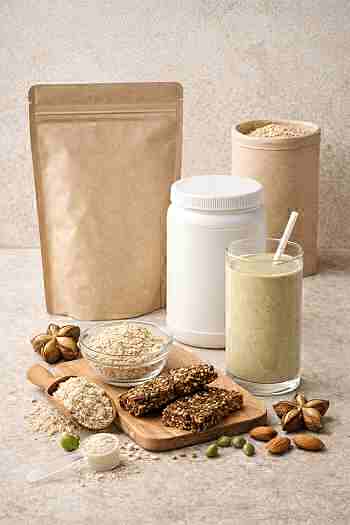 Sacha inchi protein powder is increasingly positioned as a complementary protein source in sports nutrition formulations rather than a standalone replacement for isolates. Its balanced amino acid profile, combined with naturally occurring fats and micronutrients, aligns well with products targeting recovery, endurance, and daily protein supplementation.
It is commonly used in blended protein powders, where it offsets the amino acid limitations of pea or rice protein while contributing a more natural, whole-food positioning. This approach is gaining traction among brands that prioritize clean labels over maximum protein concentration.
In plant-based protein systems, sacha inchi protein performs best as part of a multi-protein matrix. When combined with pea, rice, or fava bean protein, it improves nutritional completeness without significantly increasing formulation complexity.
From a sourcing perspective, this allows buyers to diversify protein inputs while reducing dependency on a single crop or origin. Given increasing volatility in pea protein markets, sacha inchi offers an attractive secondary protein for long-term formulation stability.
Beyond sports nutrition, sacha inchi protein powder is well suited for functional food applications such as meal replacement powders, wellness blends, and nutritional supplements. Its mild flavor profile supports inclusion in products designed for daily consumption rather than short-term performance use.
Manufacturers often leverage its natural omega-associated halo, even in partially defatted form, to support positioning around heart health, balanced nutrition, and plant-based wellness.
Sacha inchi protein is also used in protein bars, baked snacks, and hybrid nutrition products where texture and structure matter. It contributes protein without the chalky mouthfeel sometimes associated with isolates, particularly when used at moderate inclusion rates.
In these applications, it pairs effectively with cocoa-based formulations, nut pastes, and natural sweeteners, reinforcing its compatibility with premium and functional snack concepts.
The growing demand for diversified plant proteins in the US market, driven by sports nutrition, vegan lifestyles, and flexitarian diets, creates a favorable environment for sacha inchi protein powder. While still a niche ingredient, its differentiation lies in origin, nutritional balance, and clean-label appeal rather than price competition with commodity proteins.
For brands seeking to stand out in a crowded plant protein landscape, sacha inchi protein offers both functional and storytelling advantages when integrated thoughtfully into formulations.

 Our sacha inchi protein powder is produced in Peru with a current production capacity of up to 20 metric tons per month. This volume supports both mid-sized brand launches and scalable growth programs without forcing buyers into oversized commitments.
Unlike emerging protein ingredients that struggle with consistency, sacha inchi benefits from an established seed supply chain that already supports oil production and snack-grade nuts. Protein powder production integrates into this existing ecosystem, reducing single-stream dependency risk.
The minimum order quantity (MOQ) for sacha inchi protein powder is 500 kg. Product is packed in 20 kg food-grade boxes, optimized for palletization, container loading, and warehouse handling.
This configuration allows buyers to test market response or integrate the ingredient into existing blends without committing to full-container volumes at the outset.
Buyers sourcing both protein powder and oil can benefit from a 50/50 set-off structure, combining sacha inchi protein powder with sacha inchi oil in a single procurement strategy. This approach improves overall pricing efficiency while simplifying logistics and supplier coordination.
For brands already using omega-rich oils in functional foods or supplements, this bundled sourcing model offers a practical cost advantage.
Detailed technical information, including nutritional values, microbiological parameters, production flow charts, packaging details, and logistical specifications, is available in the official product specification document:
Sacha Inchi Protein Powder – Product Specification Sheet (PDF)
This document supports internal QA review, regulatory assessment, and formulation planning.
Sacha inchi protein powder is part of a broader sacha inchi offering that includes sacha inchi oil and sacha inchi nuts (snacks). For buyers, this enables portfolio-based sourcing rather than isolated ingredient procurement.
From a commercial standpoint, working with a supplier that controls multiple outputs from the same raw material stream improves traceability, reduces negotiation friction, and supports longer-term supply planning.

Global demand for plant-based protein continues to accelerate, particularly in the USA, where consumers are actively seeking alternatives to soy and pea proteins. Digestibility concerns, allergen avoidance, and product fatigue are pushing brands to explore novel protein sources with a clean label profile.
Sacha inchi protein powder fits squarely into this shift. It offers a clear botanical origin, minimal processing, and a strong nutritional story, without positioning itself as a commodity protein.
Beyond general plant-based foods, growth is increasingly concentrated in functional nutrition segments such as sports recovery, meal replacements, and performance-focused formulations. High-protein claims, amino acid completeness, and omega-linked branding all support this positioning.
Sacha inchi’s natural association with omega-3-rich oil strengthens cross-category storytelling, especially when combined with sacha inchi oil in complementary product lines.
Unlike pea or soy protein, sacha inchi protein is not yet subject to intense price compression or oversupply. For buyers, this creates an opportunity to differentiate early, before the ingredient becomes mainstream.
Brands that introduce sacha inchi protein today are not competing on price alone; they are competing on innovation, origin, and formulation quality.
As buyers become more cautious about supply risk, traceability and supplier control are becoming key selection criteria. Sacha inchi protein benefits from being tied to an existing agricultural system that already supplies oil and snack-grade seeds.
This integrated approach reduces volatility and provides buyers with clearer visibility into production capacity, quality control, and long-term availability.
Sacha inchi protein powder is not positioned to replace established plant proteins overnight, and that is precisely why it deserves attention now. As brands search for differentiated, clean-label ingredients with strong nutritional and origin stories, sacha inchi offers a compelling balance between novelty and supply-chain maturity.
With reliable production capacity, manageable minimum order quantities, and the ability to bundle sourcing with sacha inchi oil and snack-grade seeds, buyers can approach this ingredient strategically rather than speculatively.
For importers, formulators, and brand owners planning new product launches in plant-based, functional, or sports nutrition categories, sacha inchi protein powder represents an opportunity to get ahead of demand, before the market fully catches up.
Further technical details, nutritional data, and logistical specifications are available in the official product documentation, and additional information on the broader sacha inchi portfolio, including oil and nuts, can be found on our sacha inchi product page.
If you are evaluating sacha inchi protein powder for upcoming formulations or private-label programs, early engagement and volume planning will be key to securing consistent supply.